Step 1: Choose Your Theme – Whiskey, Wine, or Gin?
The first and most crucial step is to decide on your drink of choice. This will dictate your selection of beverages, glassware, and even the accompanying snacks.
-
Whiskey Tasting: Explore the nuanced world of single malts, bourbons, ryes, or blends. Focus on different regions (Scotch, Irish, Japanese) or cask finishes.
-
Why it's great: Rich history, diverse flavor profiles from smoky to sweet.
-
Key considerations: Best served neat or with a drop of water.
-
-
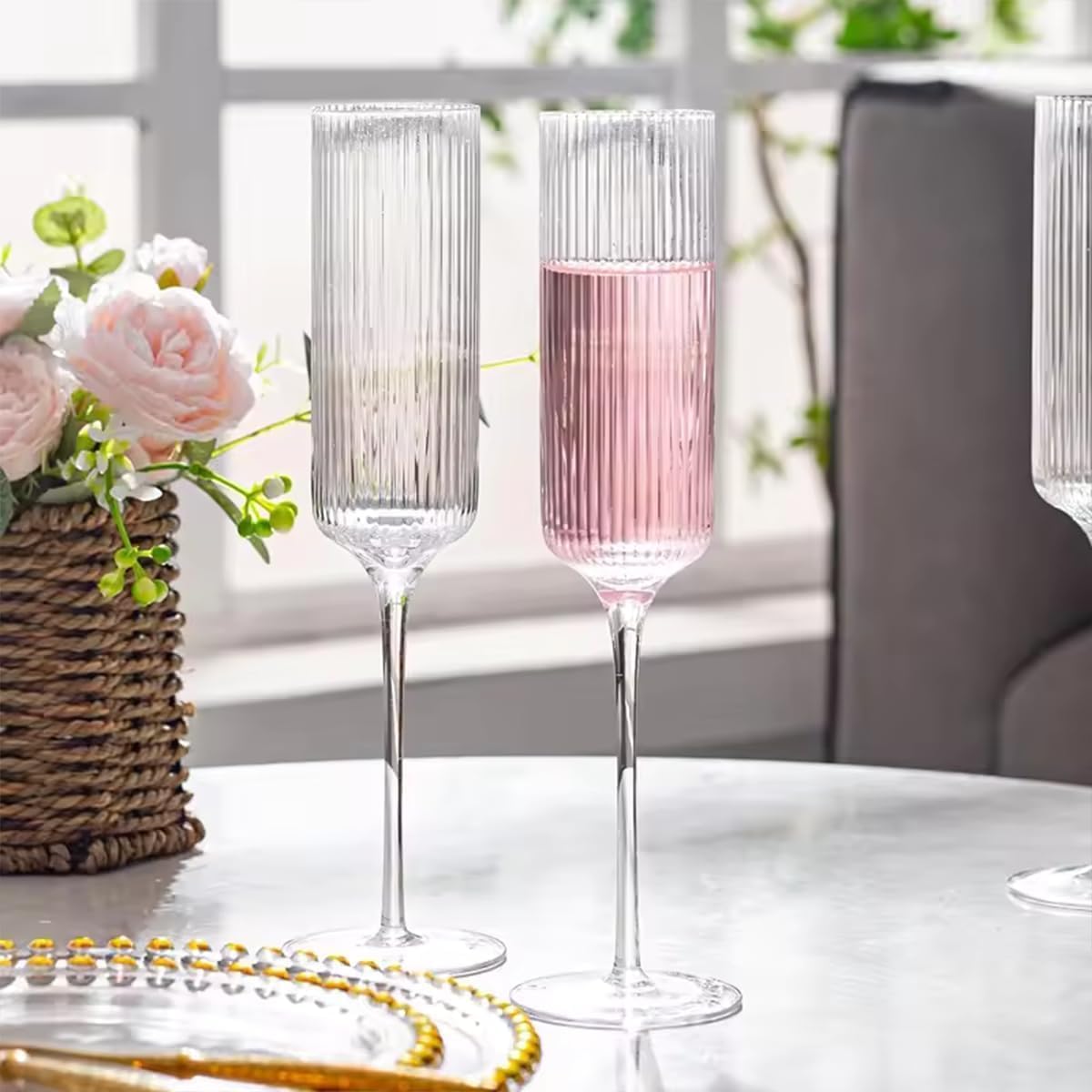
Wine Tasting: From Old World to New World, red, white, or rosé, the possibilities are endless. You could compare varietals, regions, or vintages.
-
Why it's great: Accessible for all palates, pairs wonderfully with food.
-
Key considerations: Temperature and aeration are vital.
-
-
Gin Tasting: Discover the botanical wonders of different gins. Compare London Dry, Plymouth, or more contemporary styles, perhaps focusing on various tonic pairings.
-
Why it's great: Huge resurgence in popularity, offers a vast array of botanical notes.
-
Key considerations: Often enjoyed with tonics and garnishes.
-
Once you've picked your theme, it's time to select the stars of the show!

Step 2: Curate Your Selection
Aim for 3-5 different bottles for your tasting. This provides enough variety without overwhelming your guests' palates.
-
For Whiskey:
-
Variety Idea: A peated Scotch, a classic Bourbon, and a smooth Irish Whiskey.
-
Budget Tip: You don't need top-shelf for every bottle. Look for mid-range options that offer distinct characteristics.
-
-
For Wine:
-
Variety Idea: Three different Pinot Noirs from different regions (e.g., Oregon, Burgundy, New Zealand) or a selection of white wines (Sauvignon Blanc, Chardonnay, Pinot Grigio).
-
Budget Tip: Local vineyards often offer excellent value and unique profiles.
-
-
For Gin:
-
Variety Idea: A classic London Dry, a floral gin, and a citrus-forward gin.
-
Budget Tip: Many craft distilleries offer fantastic gins at reasonable prices.
-
Remember to factor in your guests' preferences if you know them, but don't be afraid to introduce them to something new!

Step 3: Essential Glassware & Setup
The right glassware is paramount for a proper tasting experience, as it significantly impacts aroma and taste.
-
For Whiskey:
-
Glencairn Glasses: These are specifically designed for whiskey tasting, with a bulbous bottom and a tapered rim to concentrate aromas.
-
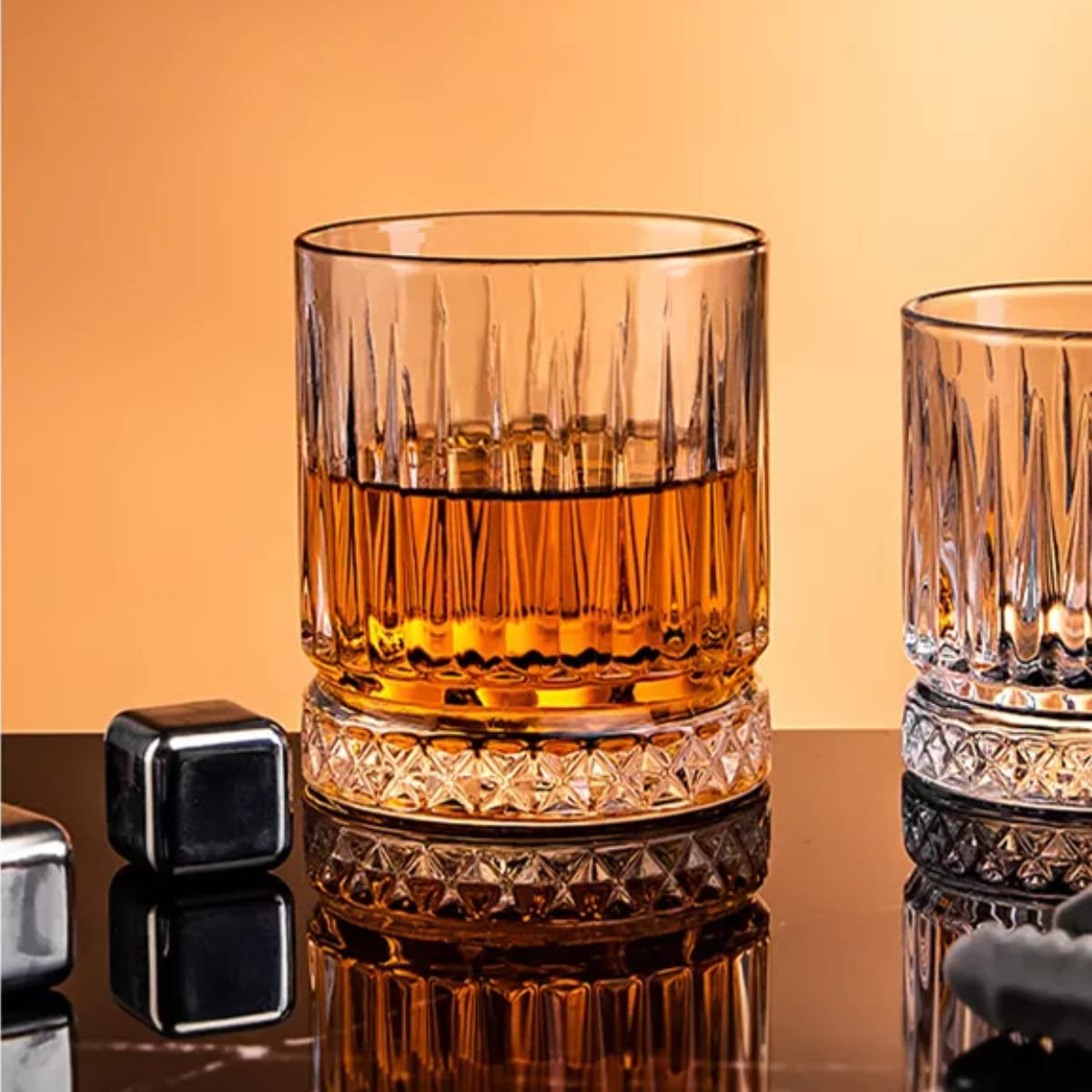
Alternatively, classic Whiskey Tumblers work well for a more casual approach.
-
Setup: Provide water (still and sparkling) for palate cleansing, ice (optional for whiskey), and droppers for adding a controlled amount of water.
-
-
For Wine:
-
Universal Wine Glasses: A good all-purpose wine glass with a medium-sized bowl and tapered rim. Consider our elegant Universal Wine Glass collection.
-
If you're focusing on reds, Bordeaux or Burgundy glasses are ideal.
-
Setup: Decanters (for red wines), spit buckets (optional, but professional), and a constant water supply.
-
-
For Gin:
-
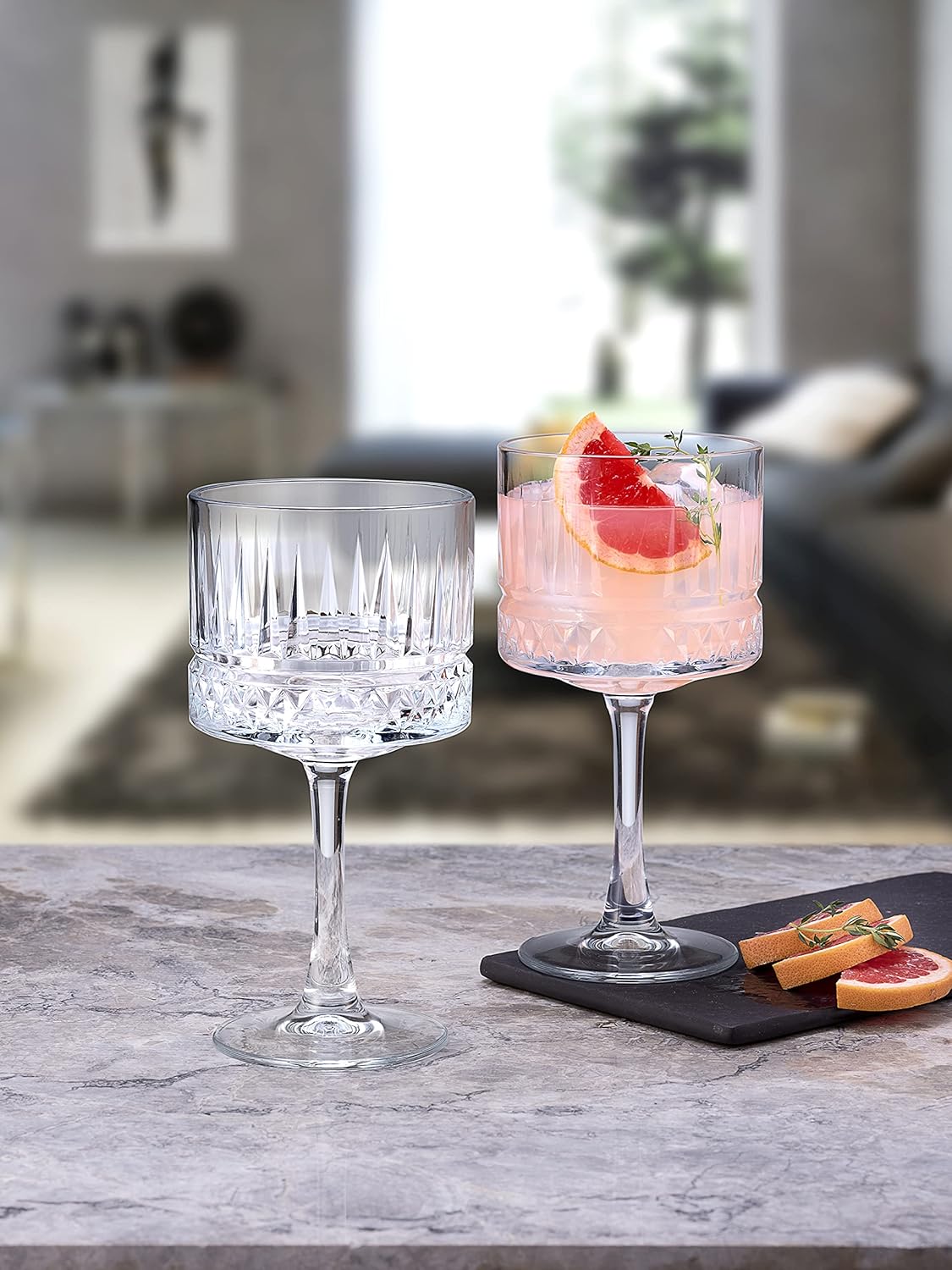
Copa de Balon Glasses (Balloon Gin Glasses): These large, round glasses allow ample space for ice, tonic, and garnishes, while trapping aromatics. Explore our Gin Copa Glasses.
-
Setup: A variety of tonics (different brands/flavors), fresh garnishes (citrus slices, herbs like rosemary or basil, juniper berries), and plenty of ice.
-
Regardless of your theme, ensure you have one clean glass per guest per spirit/wine, plus extra water glasses.