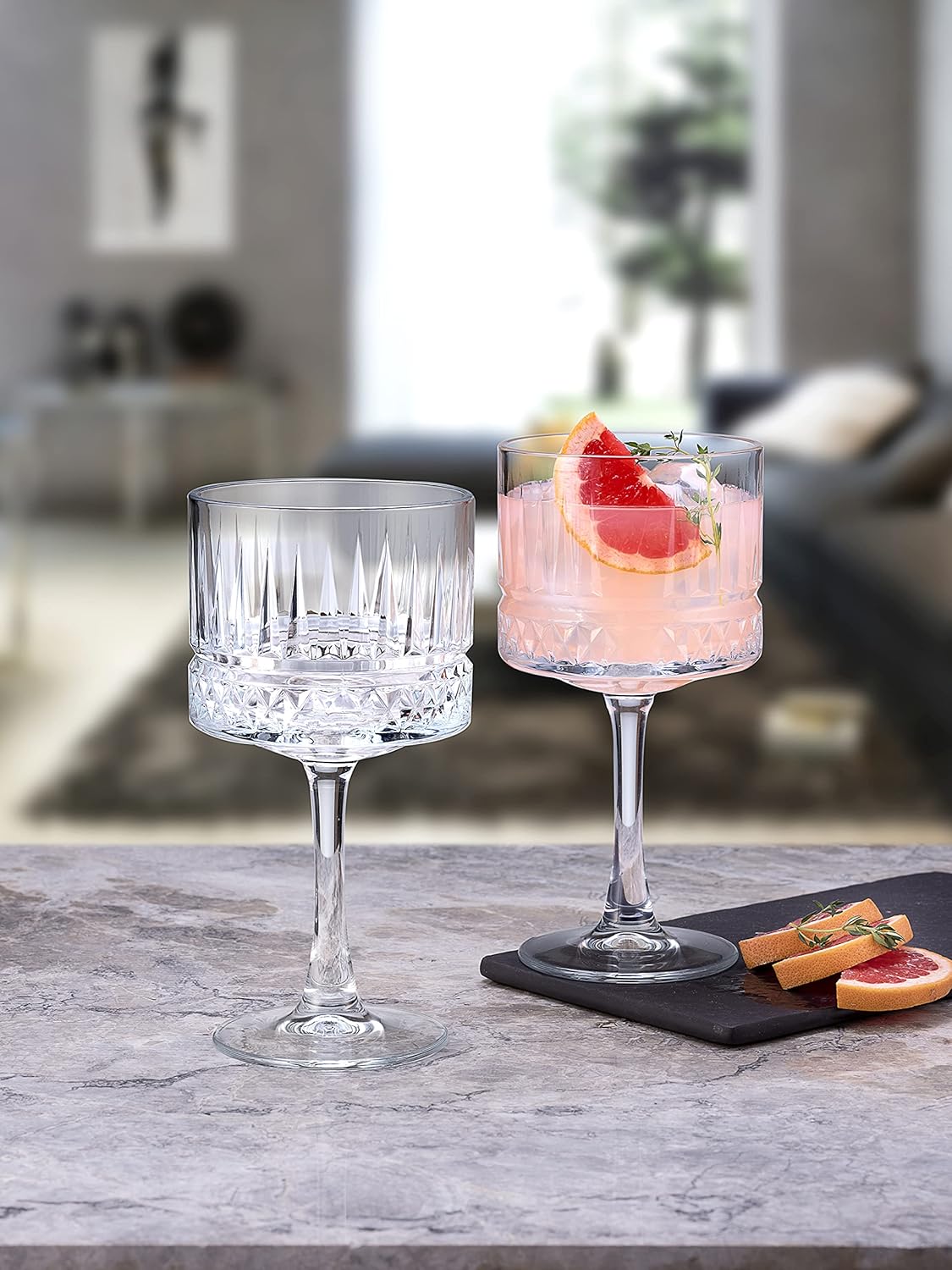
Hosting a party is a joyous occasion, but let's be honest, standing behind the bar playing personal bartender all night can get exhausting. You want to enjoy your guests, not be constantly shaking and stirring. The solution? Batching cocktails!
Batching allows you to pre-mix large quantities of your favorite drinks in advance, freeing you up to mingle and relax. But it's not just about pouring everything into a jug; there's an art to batching like a pro to ensure your pre-mixed cocktails are just as delicious (if not more so!) as their freshly made counterparts.
Here's your guide to becoming a batching master for your next gathering:
Step 1: Choose Your Cocktails Wisely
Not all cocktails are created equal when it comes to batching. Opt for spirit-forward, stirred, or shaken-then-strained recipes that don't rely heavily on carbonation or delicate fresh ingredients that might degrade quickly.
Great candidates for batching:
-
Old Fashioneds
-
Manhattans
-
Negronis
-
Martinis
-
Margaritas (without fresh lime until serving)
-
Daiquiris
-
Palomas (add soda water just before serving)
-
Punch recipes
Avoid (or modify carefully):
-
Drinks with fresh herbs (muddle just before serving)
-
Drinks with egg whites or dairy
-
Drinks that are mostly soda/tonic (add just before serving)

Step 2: Account for Dilution
This is perhaps the most crucial step. When you make a cocktail individually, ice plays a dual role: chilling and diluting. When batching, you'll add the perfect amount of water to simulate this dilution, so your drink is ready to be poured over fresh ice without becoming watered down.
The Golden Rule: For every individual serving you're batching, determine the ideal amount of water that typically melts from the ice during a proper stir or shake. A good starting point is to replace about 20-25% of the total liquid volume with water.
-
Example for a Negroni: (1 oz Gin, 1 oz Campari, 1 oz Sweet Vermouth = 3 oz liquid total). 20-25% dilution means adding approximately 0.6 to 0.75 oz of water per serving.
-
Scale Up: Multiply all ingredients (including the water) by the number of servings you want to make.
Step 3: Measure Precisely
When batching, consistency is everything. Use accurate measuring tools – not just jiggers, but also kitchen scales for larger volumes or even graduated pitchers. This ensures that every serving from your batch is perfectly balanced.

Our Pick: The Professional Measuring Pitcher Set - [Link to Product: Measuring Pitcher Set]
Step 4: Combine and Store
Once measured, combine all your batch ingredients (spirits, liqueurs, syrups, bitters, and your calculated dilution water) in a large, clean container. Glass bottles or carafes with airtight seals are ideal for storage.
-
Mix thoroughly: Use a large bar spoon or stir stick to ensure everything is well combined.
-
Taste test: Before sealing, pour a small amount over ice and taste. Adjust if necessary (e.g., a tiny bit more syrup or acid).
-
Label: Clearly label your batch with the cocktail name and date.

Step 5: Chilling and Serving
Store your batched cocktails in the refrigerator until party time. Chilling them thoroughly beforehand means they'll need less time to cool down once poured over fresh ice.
On the day of the party:
-
Ice is Key: Have plenty of fresh, quality ice on hand. This will chill your pre-diluted cocktails without further watering them down.
-
Garnishes Ready: Pre-slice citrus wheels, olives, cherries, or whatever garnishes your cocktail requires. Present them beautifully in small bowls.
-
Simple Instructions: Place your batched cocktail, ice, glasses, and garnishes on a dedicated bar area with clear instructions for your guests: "Pour over ice, garnish, and enjoy!"

Our Pick: Airtight Glass Beverage Bottles for Batching - [Link to Product: Beverage Bottles] Our Pick: Elegant Cocktail Glasses for Serving - [Link to Product: Cocktail Glasses]
Batching cocktails is a game-changer for entertaining. It allows you to offer high-quality, delicious drinks to your guests without sacrificing your role as a host. So go ahead, mix up a storm, and enjoy your party like a pro!